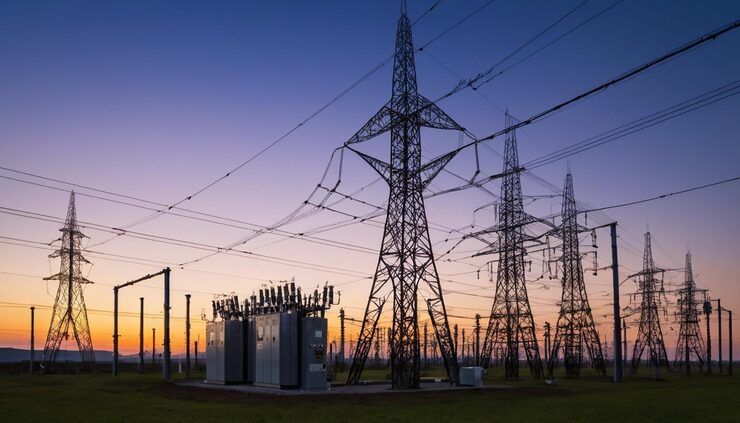
Electric grid energy systems are complex networks that generate, transmit, and distribute electricity from power plants to homes, industries, and digital infrastructure. These systems form the backbone of modern energy infrastructure and support everything from household appliances to large-scale industrial operations.
An electric grid typically consists of power generation stations, high-voltage transmission lines, substations, transformers, and local distribution networks. The grid operates continuously to balance electricity supply and demand while maintaining voltage stability and energy efficiency.
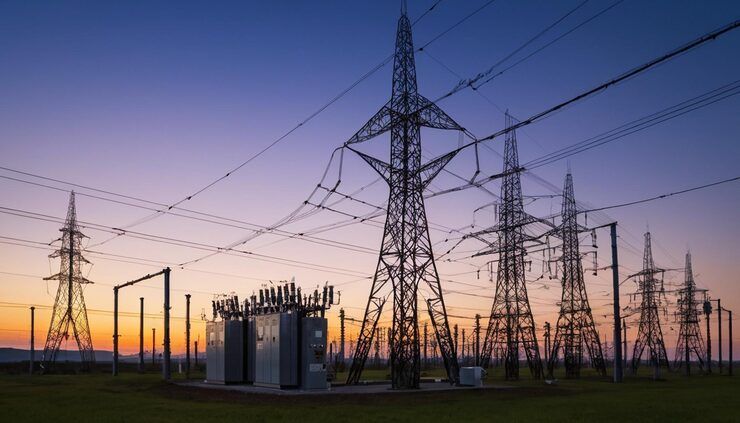
With the increasing integration of renewable energy technologies, energy storage solutions, and digital grid management systems, electric grids are evolving into smarter and more resilient infrastructures. Understanding grid architecture, transmission networks, and power system analytics helps individuals and organizations better understand how energy flows through national infrastructure systems.
Understanding the Structure of Electric Grid Energy Systems
Electric grid systems are generally divided into three major components that ensure stable electricity flow across regions.
| Grid Component | Function | Key Technologies |
|---|---|---|
| Power Generation | Produces electricity from energy sources | Solar power plants, wind turbines, hydroelectric stations |
| Transmission Network | Transfers electricity over long distances | High-voltage power lines, grid substations |
| Distribution Network | Delivers electricity to local users | Distribution transformers, smart meters |
Electric power flows through transmission infrastructure at high voltage to reduce energy losses. Substations regulate voltage levels before electricity enters regional distribution systems.
Importance of Electric Grid Infrastructure in Modern Energy Systems
Electric grid infrastructure plays a critical role in supporting economic development, digital transformation, and sustainable energy systems. As energy consumption increases globally, reliable power transmission and distribution become essential for maintaining operational stability across sectors.
Key areas influenced by electric grid energy systems include:
-
Industrial manufacturing and automation
-
Data centers and cloud computing infrastructure
-
Transportation electrification and electric vehicle charging networks
-
Smart cities and urban energy management systems
-
Renewable energy integration and grid balancing
Electric grids also help maintain energy reliability and grid stability during fluctuations in electricity demand. Advanced grid monitoring technologies such as smart sensors, grid analytics platforms, and predictive maintenance systems allow utilities to detect faults and prevent outages.
In regions experiencing rapid urban growth and increased digital infrastructure demand, electric grid modernization helps ensure reliable electricity access while improving system efficiency.
Grid Modernization and Energy Technology Trends
Over the past decade, electric grid systems have transitioned toward digital and decentralized energy management. Several emerging technologies are reshaping how electricity networks operate.
| Technology | Grid Application | Impact |
|---|---|---|
| Smart Grid Systems | Digital monitoring of power flow | Improved reliability |
| Grid Energy Storage | Battery storage integration | Energy demand balancing |
| Distributed Energy Resources | Localized energy generation | Reduced transmission load |
| AI Grid Analytics | Predictive grid maintenance | Faster fault detection |
Modern smart grid platforms use advanced data analytics, IoT sensors, and automated control systems to optimize electricity distribution.
Recent Developments in Electric Grid Energy Systems
The past year has seen significant progress in grid modernization initiatives and renewable energy integration worldwide.
In 2024, many countries expanded smart grid infrastructure programs to improve electricity reliability and support renewable power sources. Governments and energy regulators are investing in grid digitalization technologies, including AI-based energy forecasting and real-time grid monitoring systems.
Some notable trends include:
-
Expansion of grid-scale battery storage projects to stabilize renewable energy output
-
Increased deployment of high-voltage direct current (HVDC) transmission lines for long-distance electricity transfer
-
Adoption of advanced grid management software platforms
-
Integration of electric vehicle charging infrastructure into national power networks
Energy experts have also highlighted the growing role of microgrids, which allow localized energy generation and distribution in communities, campuses, and industrial facilities.
These innovations help strengthen grid resilience during extreme weather conditions and reduce power disruptions across regions.
Government Policies and Regulatory Frameworks
Electric grid energy systems operate under national regulatory frameworks that ensure safe and reliable electricity distribution.
In many countries, energy infrastructure policies regulate grid operations, transmission standards, and renewable energy integration requirements. These policies aim to maintain electricity reliability while promoting sustainable energy development.
Examples of regulatory frameworks affecting grid systems include:
-
National electricity grid reliability standards
-
Renewable energy integration policies
-
Grid modernization programs
-
Smart meter and smart grid deployment guidelines
-
Transmission infrastructure investment regulations
In India, initiatives such as the Green Energy Corridor program and national smart grid mission programs aim to improve renewable energy transmission capacity and enhance grid digitalization. These programs support energy efficiency and strengthen grid infrastructure across multiple states.
Regulatory frameworks also ensure compliance with power quality standards, grid cybersecurity protocols, and energy transmission safety regulations.
Tools and Resources for Understanding Electric Grid Systems
Various digital tools and educational resources help individuals explore electric grid infrastructure and energy system analytics.
Useful tools and platforms include:
• Power system simulation software used for analyzing grid stability and electricity flow
• Energy data visualization dashboards that display electricity demand trends
• Smart grid analytics platforms for monitoring power infrastructure performance
• Electricity market monitoring portals for tracking grid energy demand
• Renewable energy integration calculators used in grid planning
Examples of commonly referenced energy platforms include:
| Tool or Platform | Purpose |
|---|---|
| Power System Simulator Tools | Grid stability modeling |
| Electricity Demand Dashboards | Energy consumption analytics |
| Smart Grid Data Platforms | Infrastructure monitoring |
| Energy Market Data Portals | Electricity supply insights |
Educational institutions and energy research organizations also publish open knowledge resources explaining grid architecture, energy forecasting models, and power transmission technologies.
Frequently Asked Questions About Electric Grid Energy Systems
What is an electric grid energy system?
An electric grid energy system is a network of power plants, transmission lines, substations, and distribution infrastructure that delivers electricity from generation sources to consumers.
How does electricity travel through the power grid?
Electricity is generated at power plants, transmitted through high-voltage transmission lines, and then distributed through local networks after voltage is reduced at substations.
What is a smart grid?
A smart grid uses digital sensors, automated monitoring systems, and data analytics to optimize electricity distribution and improve grid reliability.
Why is grid energy storage important?
Grid energy storage systems help store excess electricity generated during low demand periods and release it during peak demand, improving energy stability.
What are distributed energy resources?
Distributed energy resources include localized electricity generation technologies such as rooftop solar systems, small wind turbines, and battery storage systems connected to the grid.
Conclusion
Electric grid energy systems remain one of the most critical infrastructures supporting modern society. These networks ensure reliable electricity distribution for households, industries, and digital technologies.
As energy demand continues to rise and renewable power sources expand, grid infrastructure is undergoing rapid transformation. Smart grid technologies, digital monitoring platforms, and advanced transmission systems are improving electricity reliability while enabling sustainable energy integration.
Understanding the fundamentals of electric grid architecture, energy transmission technologies, and grid modernization initiatives provides valuable insights into how electricity systems function today. With ongoing technological innovation and supportive regulatory frameworks, electric grid systems will continue evolving to support resilient and efficient energy networks in the future.